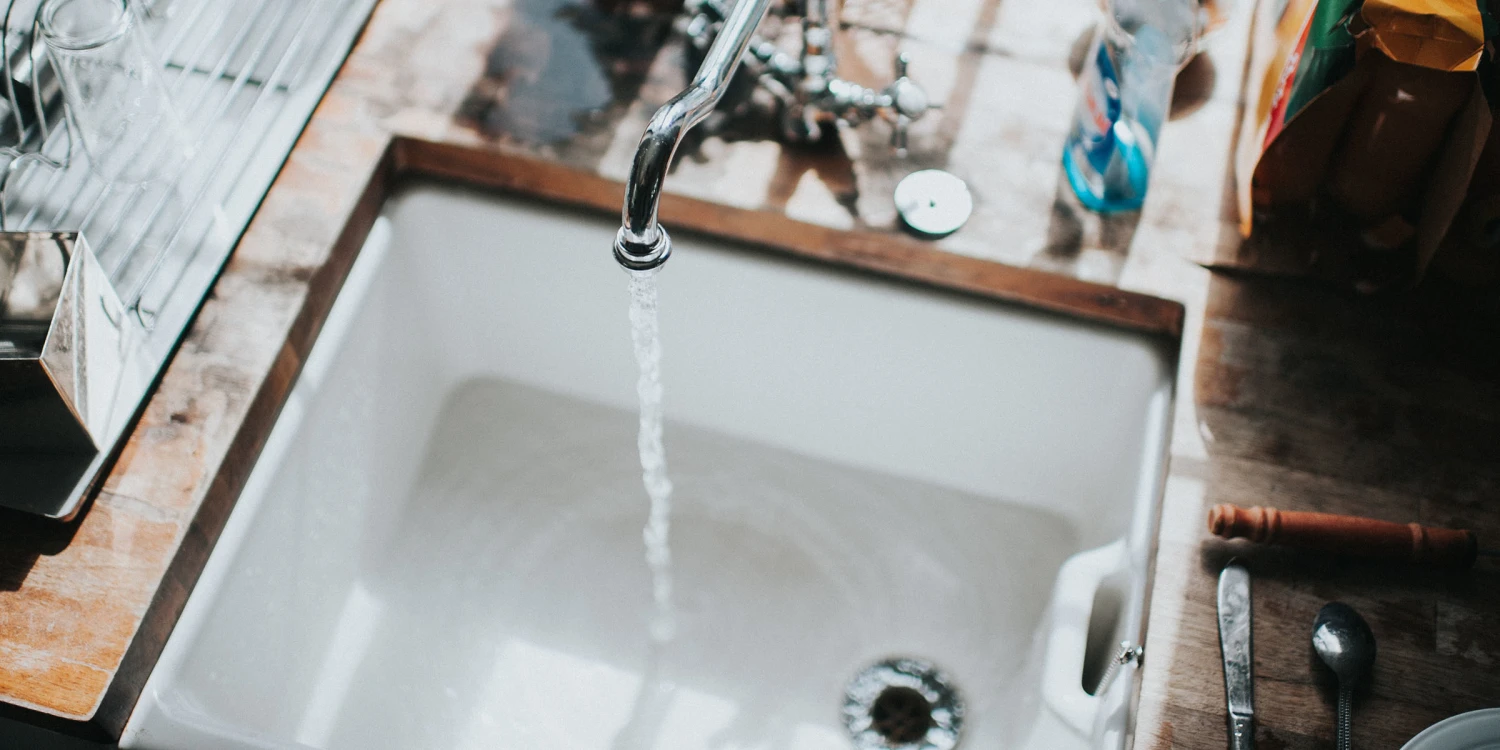
A practical overview of unclogging drains naturally examines common causes and the effectiveness of non-chemical methods. It presents quick, safe remedies and a methodical maintenance plan to prevent future blockages. The discussion stays evidence-based and concise, focusing on achievable steps like plunging, hot-water flushes, and mechanical snaking. It also covers signs of escalation and when to seek professional help, leaving readers with a clear rationale to keep exploring the approach.
What Causes Common Drain Clogs and How Natural Methods Work
Clogged drains typically result from a combination of hair, soap scum, grease, and mineral deposits that accumulate over time, narrowing the pipe lumen and slowing water flow. This creates recurring blockages unless routine maintenance occurs.
Emphasizing emptying drains and eco friendly products, the approach relies on non toxic ingredients and DIY pipe health to minimize buildup while preserving flow and safety.
Quick At-Home Remedies to Restore Flow Safely
Quick at-home remedies to restore flow safely focus on fast, evidence-based steps that minimize exposure to chemicals while maintaining pipe integrity. The guidance emphasizes safe techniques such as plunger use, hot water flushes, and mechanical inspection to identify blockages. Easy hacks include drain snakes and vinegar-water cooling tests. These quick remedies support home maintenance without harsh additives or extensive disruption.
Step-By-Step Natural Maintenance to Prevent Future Clogs
Maintaining drains after addressing immediate blockages involves adopting a proactive, evidence-based routine that reduces future clogs without harsh chemicals.
Step-by-step natural maintenance emphasizes regular attention, proper disposal habits, and routine flushing with hot water and mild cleaners.
Practical measures include microfiber drain screens, periodic mineral buildup checks, and documenting patterns to refine clog prevention, supporting durable, freedom-friendly home plumbing.
natural maintenance, clog prevention.
Troubleshooting When Natural Fixes Don’T Work and Next Steps
When natural fixes fail to clear a drain, a structured troubleshooting approach helps identify underlying causes and appropriate next steps. The assessment considers persistent odor, slower drainage, and recurring clogs, guiding safe choices. If blocks persist, evaluate drain chemical alternatives with caution and prioritize professional assessment. Integrate yearly maintenance routines to prevent recurrence and support long-term reliability and freedom from frequent interruptions.
Frequently Asked Questions
Can Natural Methods Harm Septic Systems or Wildlife?
Natural remedies can affect septic safety and wildlife if misused; some ingredients disrupt bacterial balance or contaminate water. Proper, cautious application minimizes risk, and professionals should be consulted for sensitive systems to protect ecosystems and ensure septic safety.
How Long Does a Natural Remedy Typically Take to Work?
Natural remedies often take hours to days, depending on blockage size and pipe conditions, and their clog effectiveness varies. Like patient composting, results accrue gradually; consistency matters more than speed for reliable outcomes, especially when protecting septic systems and wildlife.
Are There DIY Indicators of Pipe Damage From Clogs?
Yes, DIY indicators exist: unusual gurgling, slow drainage, frequent clogs, and wet spots may signal drainage warning or pipe deterioration. People should monitor patterns, seek professional assessment for persistent signs, as evidence-based precautions protect safety and home integrity.
Should I Wear Protective Gear When Using Natural Cleaners?
Yes, protective gear is prudent. The answer emphasizes safety precautions: goggles, gloves, and ventilation. The narrator notes natural cleaners can irritate skin or eyes; thus, cautious handling minimizes exposure, enabling practical, freedom-oriented, evidence-based use.
When Should I Call a Professional for Persistent Clogs?
When persistent clogs persist, call timing becomes critical; threshold indicators include frequent backups, slow drains, or repeated DIY failures. If hazardous chemicals or DIY pipe damage indicators appear, call a professional. Safety gear usage should accompany any assessment.
See also: Private Space Industry Growth
Conclusion
Natural methods offer a safe, effective first line for minor blockages, avoiding harsh chemicals and protecting pipes. By combining mechanical tools, hot-water flushes, and simple pH-friendly cleaners, most drains regain flow with minimal cost and effort. An anticipated objection—that natural fixes are slow or unreliable—can be addressed: progress is incremental and measurable, with visible improvement after a few treatments. When persistent clogs occur, seeking professional assessment becomes a practical, low-risk next step.